We look forward to showing you Velaris, but first we'd like to know a little bit about you.


Top 10 AI Customer Intelligence Software Tools for 2026
Customer intelligence covers very different data, from feedback and experience signals to digital behavior, public conversations and account health. We compare 10 leading platforms for 2026, including Chattermill, Qualtrics, Medallia, Amplitude and Gainsight, covering what each does well, its limitations, pricing, and the type of team it suits best.
The Velaris Team
September 24, 2026
Customer intelligence software helps businesses collect and analyze customer signals so they can better understand what customers are doing, what they think, and what they are likely to do next.
Most companies already have plenty of customer data. The problem is that it is scattered across CRM records, product usage, support tickets, surveys, calls, emails, and public conversations. Customer intelligence software brings those signals together and turns them into insights teams can actually use.
It is also a broad category. Some platforms focus on customer feedback and sentiment, while others specialize in behavioral analytics, unified customer profiles, social intelligence, or post-sales relationships.
In this guide, we compare 10 of the best customer intelligence software tools for 2026 based on the type of customer insight each one is best suited to provide.
Key takeaways
- Chattermill and Qualtrics focus on Voice of the Customer intelligence.
- Brandwatch specializes in social and consumer intelligence.
- Velaris is built for B2B post-sales customer intelligence.
- Amplitude and Contentsquare analyze customer behavior and digital journeys.
- Salesforce Data 360 unifies customer data across enterprise systems.
- The best platform depends on which customer signals matter most to your team.
1. Chattermill
Overview
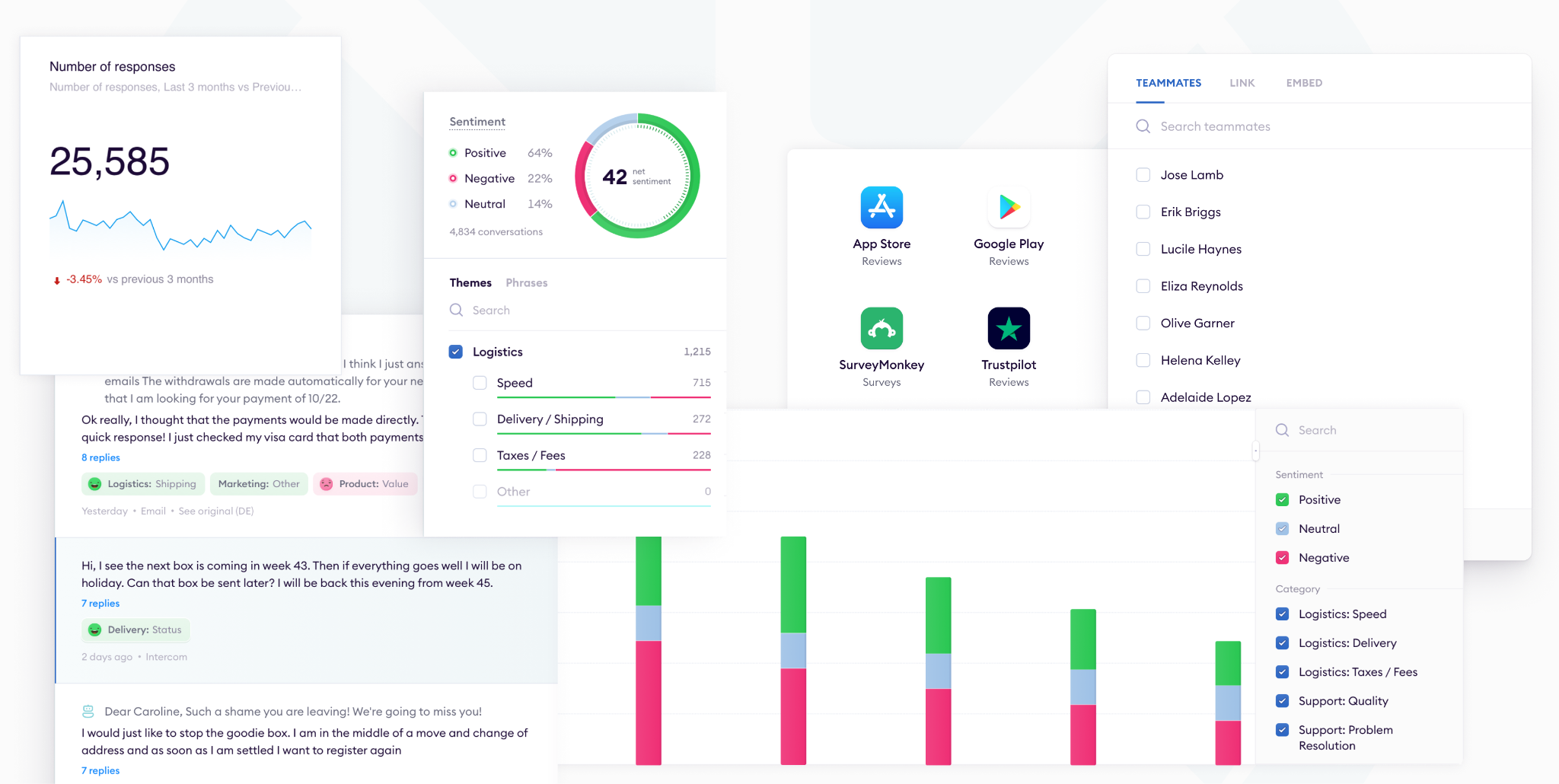
Chattermill is an AI-native Customer Intelligence and Voice of the Customer platform designed to bring customer feedback from different channels into one place. It analyzes surveys, support conversations, reviews, social media, and voice calls to identify recurring themes, sentiment, and emerging issues.
Its main strength is connecting qualitative feedback to business outcomes, helping teams understand not only what customers are saying but which issues are affecting metrics such as NPS, retention, and revenue.
Best for
Enterprise Customer Experience, insights, and product teams that need to analyze large volumes of customer feedback across multiple channels.
What it does well
- Feedback unification: Brings surveys, support tickets, reviews, social conversations, app feedback, and calls into a single intelligence layer.
- Automated theme detection: AI categorizes feedback into themes so teams can spot recurring customer issues without manually tagging every response.
- Sentiment analysis: Chattermill analyzes sentiment at the theme level, allowing a single piece of feedback to contain both positive and negative signals.
- Impact analysis: Teams can see which themes are contributing positively or negatively to metrics such as NPS and customer satisfaction.
- Customer context: Feedback can be enriched with information such as customer ID, location, and channel to make individual signals more useful.
- AI-powered insights: Chattermill can surface emerging issues and help teams investigate the drivers behind changes in customer experience.
Limitations and considerations
- Chattermill is most valuable when a business has enough feedback across different channels to justify a dedicated intelligence layer.
- Its focus is primarily on analyzing and interpreting customer feedback rather than managing the broader customer relationship or running post-sales workflows.
- It is geared toward enterprise use cases, so smaller teams with limited feedback volumes may find simpler analytics tools sufficient.
Pricing
Chattermill does not publish standard plan prices. Pricing is custom and usage-based, with costs depending on the amount of customer data being analyzed rather than the number of users. Chattermill states that it does not charge extra for additional users.
2. Qualtrics XM
Overview
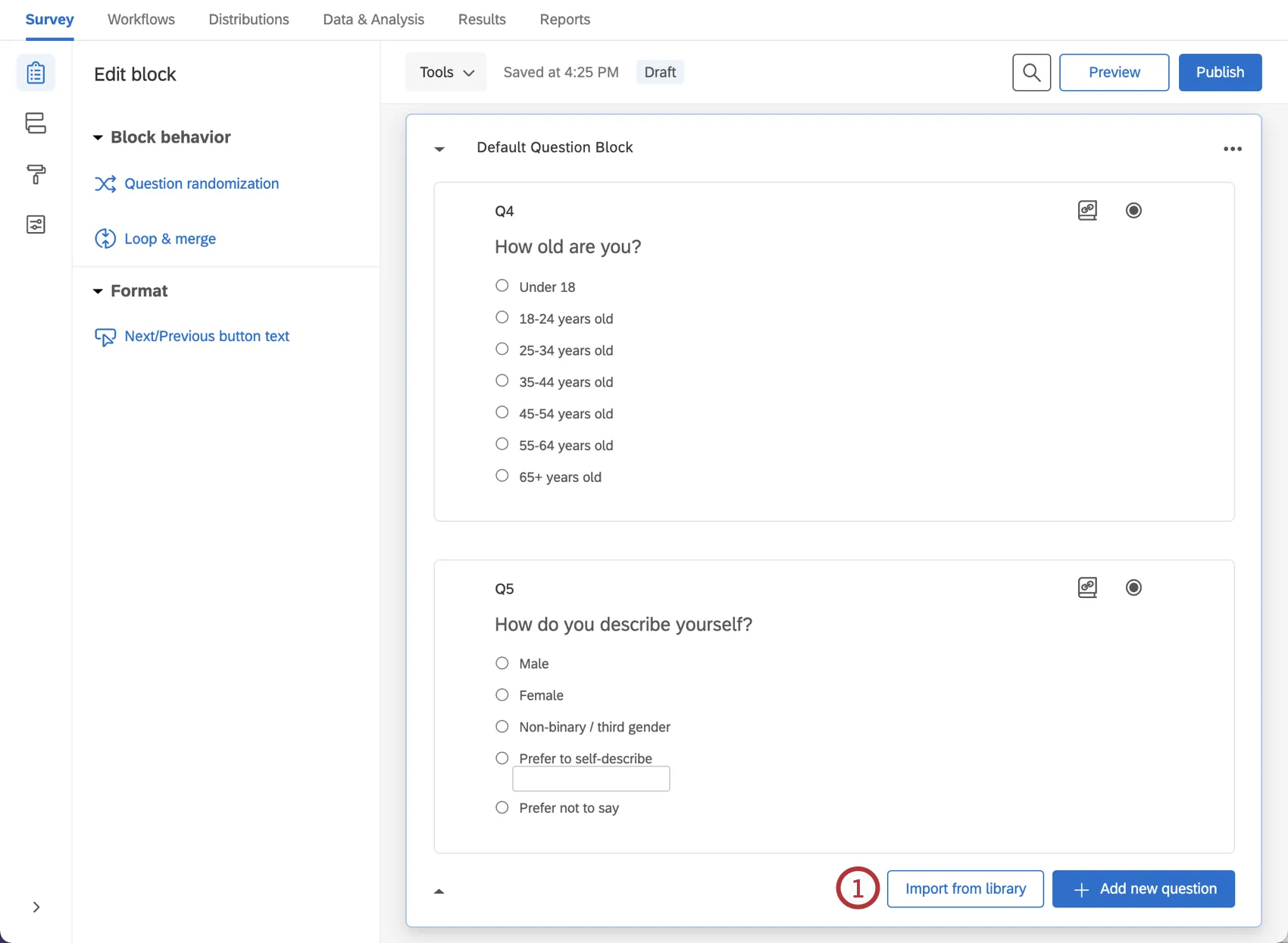
Qualtrics XM is an enterprise Experience Management platform that combines structured feedback with unstructured customer signals, journey data, text analytics, and AI. It is designed to help large organizations understand what customers are experiencing, identify the causes of friction, and act on those insights.
Its newer Experience Agents extend that approach by detecting issues across customer interactions and, in some cases, taking action automatically to resolve them.
Best for
Large enterprises running formal Customer Experience, Voice of the Customer, or research programs across multiple channels.
What it does well
- Voice of the Customer: Qualtrics can collect feedback across key customer touchpoints and connect it to broader experience data.
- Surveys and research: Its survey and research capabilities support sophisticated enterprise feedback programs.
- Text analytics: Qualtrics can analyze open-ended responses and other unstructured text to identify themes, sentiment, and recurring issues.
- Journey analytics: Teams can identify where experience quality is declining and which customer segments are most affected.
- Experience Agents: AI agents can detect friction, suggest resolutions, and carry out approved actions in certain workflows.
- Experience intelligence: Qualtrics connects customer signals with operational outcomes to help teams understand root causes rather than relying on isolated feedback scores.
Limitations and considerations
- Qualtrics is designed for sophisticated enterprise Experience Management programs, so smaller teams may not need the breadth of the platform.
- Its range of products and capabilities can require more administration than lighter survey or feedback tools.
- Pricing is not publicly listed, which makes it harder to estimate costs before speaking with the company.
Pricing
Qualtrics uses custom pricing based on planned usage and the products included. Its pricing page currently requires customers to request a quote for Customer Experience packages rather than publishing fixed plan prices.
3. Velaris
Overview
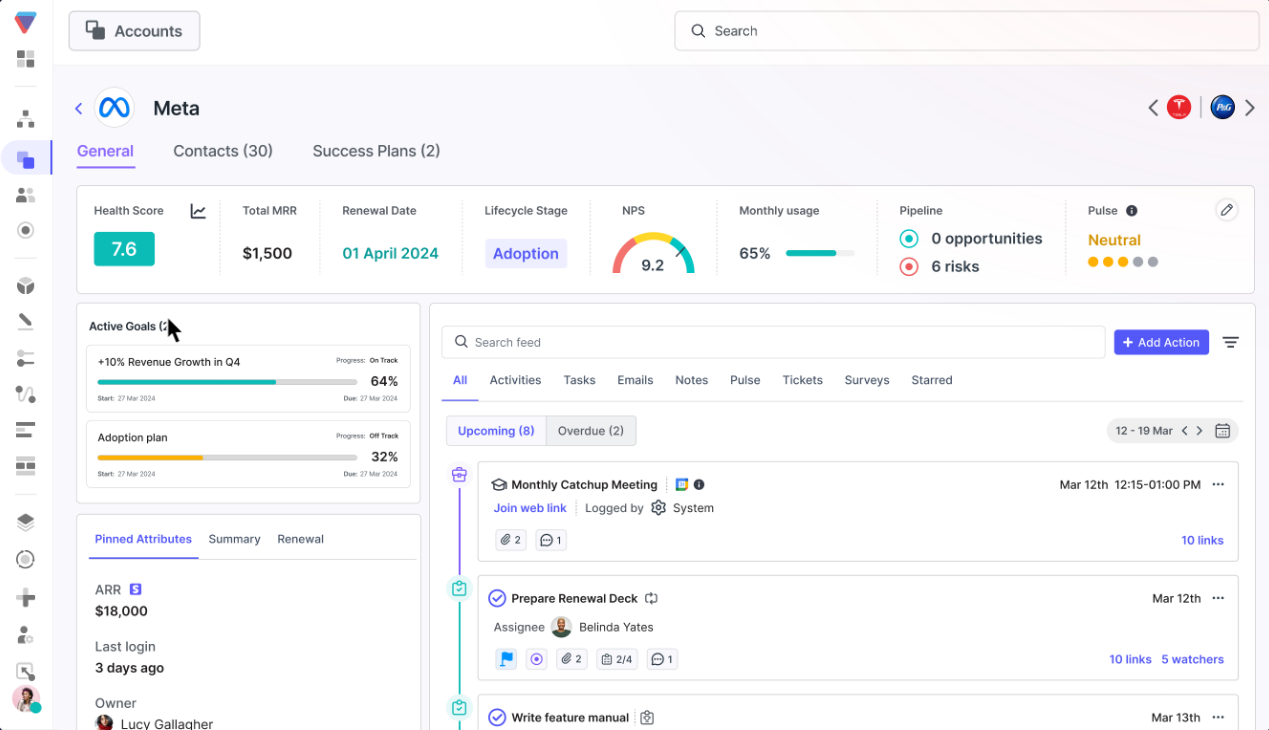
Velaris is an AI-native Customer Success Platform built for B2B post-sales teams. Rather than analyzing one source of customer data, it uses a proprietary Context Graph to maintain a continuously updated view of every account across product usage, conversations, support activity, customer health, relationships, commercial data, and other signals.
That shared context can then be used by Customer Success Managers and AI agents to understand what is happening across an account, identify emerging risks and opportunities, and decide what needs attention next.
Velaris is currently rated 4.5 out of 5 on G2 across 126 reviews.
Best for
Mid-market and enterprise B2B companies that want customer intelligence specifically for retention, expansion, and post-sales decision-making.
What it does well
- Customer Context Graph: Connects structured and unstructured customer signals into a persistent view of each account and its history.
- Account intelligence: Customer data, product usage, conversations, support activity, tasks, relationships, and health can be viewed together rather than analyzed separately.
- Trending Topics: Uses AI to identify recurring themes and sentiment across customer conversations, helping teams see which issues, needs, and opportunities are emerging across their customer base.
- Risk and expansion signals: AI agents continuously monitor customer signals for changes in health, sentiment, churn risk, and expansion potential.
- Health and sentiment: Teams can combine traditional health scoring with unstructured signals from calls, emails, notes, and support interactions.
- Portfolio analysis: Copilot can analyze customer data across the portfolio and create reports and dashboards without requiring teams to manually build every report.
- AI agents: Agents can monitor accounts in the background, surface priorities, and take action across workflows such as renewals, handoffs, risk management, and expansion.
Limitations and considerations
- Velaris is designed primarily for B2B Customer Success and Account Management teams in recurring-revenue businesses.
- It is not intended to replace consumer research or social-listening platforms such as Brandwatch.
- Its specialization in post-sales intelligence makes it less suitable for companies looking primarily for general-purpose web, marketing, or product analytics.
Pricing
Velaris uses custom pricing based on each organization’s requirements. Its core license includes five users and unlimited viewers, with additional products and add-ons available depending on the team’s needs.
4. Medallia
Overview
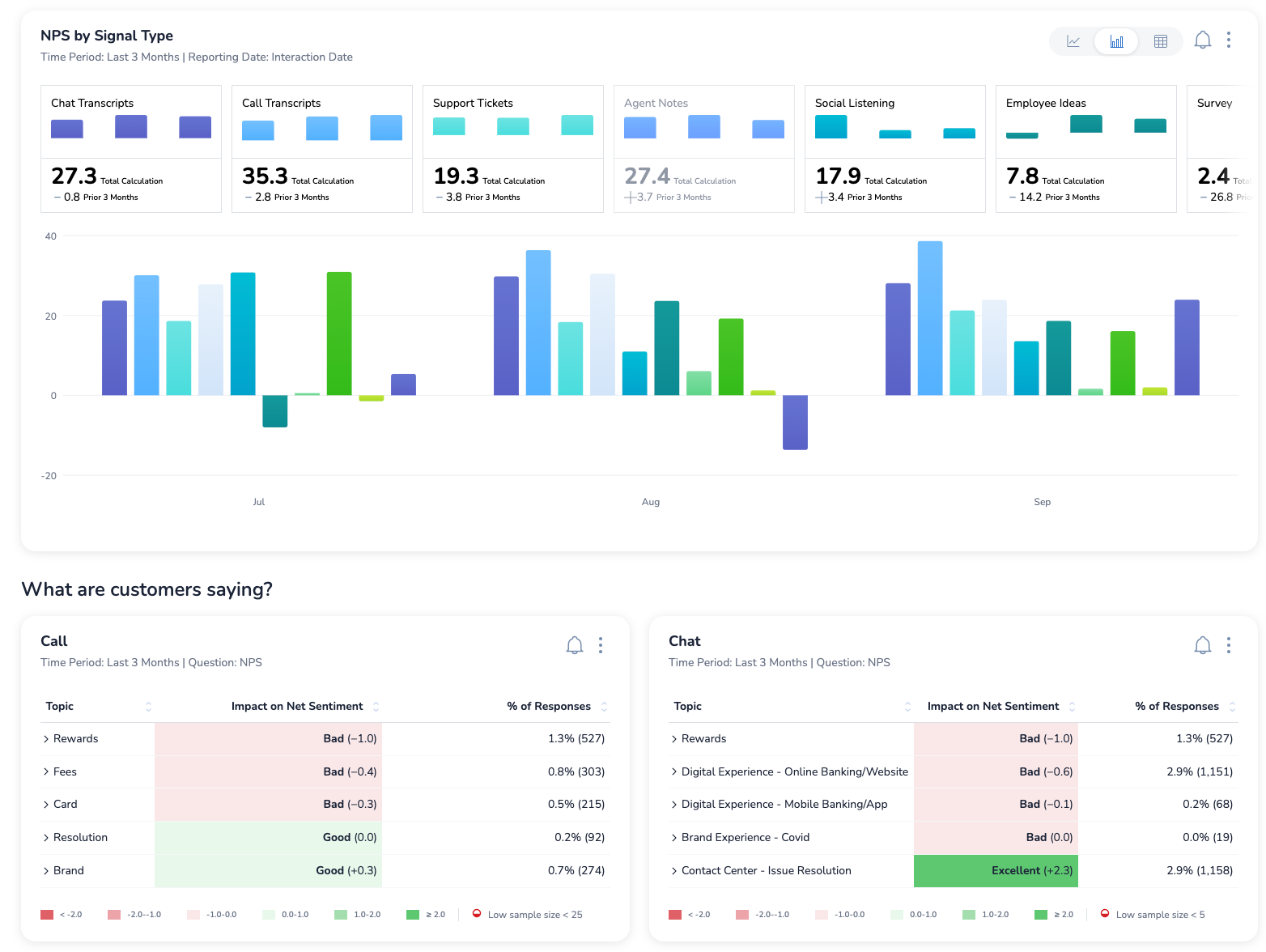
Medallia is an enterprise Experience Management platform that collects customer signals across digital, contact center, survey, and in-person touchpoints. It brings those signals together so teams can understand customer sentiment, identify recurring issues, and act on experience problems at both an individual and organization-wide level.
Its strength is scale. Medallia is designed for complex organizations that need to analyze customer experience across multiple channels, regions, teams, and business units.
Best for
Large enterprises with mature Customer Experience programs spanning multiple channels, locations, or business units.
What it does well
- Omnichannel feedback: Medallia can capture expressed and observed customer signals across web, mobile, phone, chat, surveys, and in-person interactions.
- Text and sentiment analytics: Its AI-powered text analytics identifies themes, sentiment, intent, and emerging issues across unstructured feedback.
- Journey intelligence: Teams can analyze how customers move across channels and lifecycle stages, then connect those journeys with feedback and behavior.
- Role-based reporting: Insights can be tailored to different teams and users based on their role, market, location, and permissions.
- Predictive insights: Medallia uses AI to surface emerging trends and identify potential risks before they become larger problems.
- Closed-loop workflows: Alerts and workflows can route customer issues to the right teams so they can follow up and close the loop.
- Enterprise-scale measurement: Medallia is designed to unify experience data across large organizations and connect it into continuous customer profiles.
Limitations and considerations
- Medallia is built for complex enterprise Experience Management programs, so implementation can be more involved than with lighter customer feedback tools.
- Smaller organizations may not need the breadth of its analytics, orchestration, and governance capabilities.
- Pricing is not published as fixed plans, which makes it harder to estimate costs without speaking to the company.
Pricing
Medallia uses custom pricing based on its Experience Data Record model rather than charging primarily by users or survey responses. An Experience Data Record represents the data associated with an individual customer or employee interaction.
5. Brandwatch
Overview
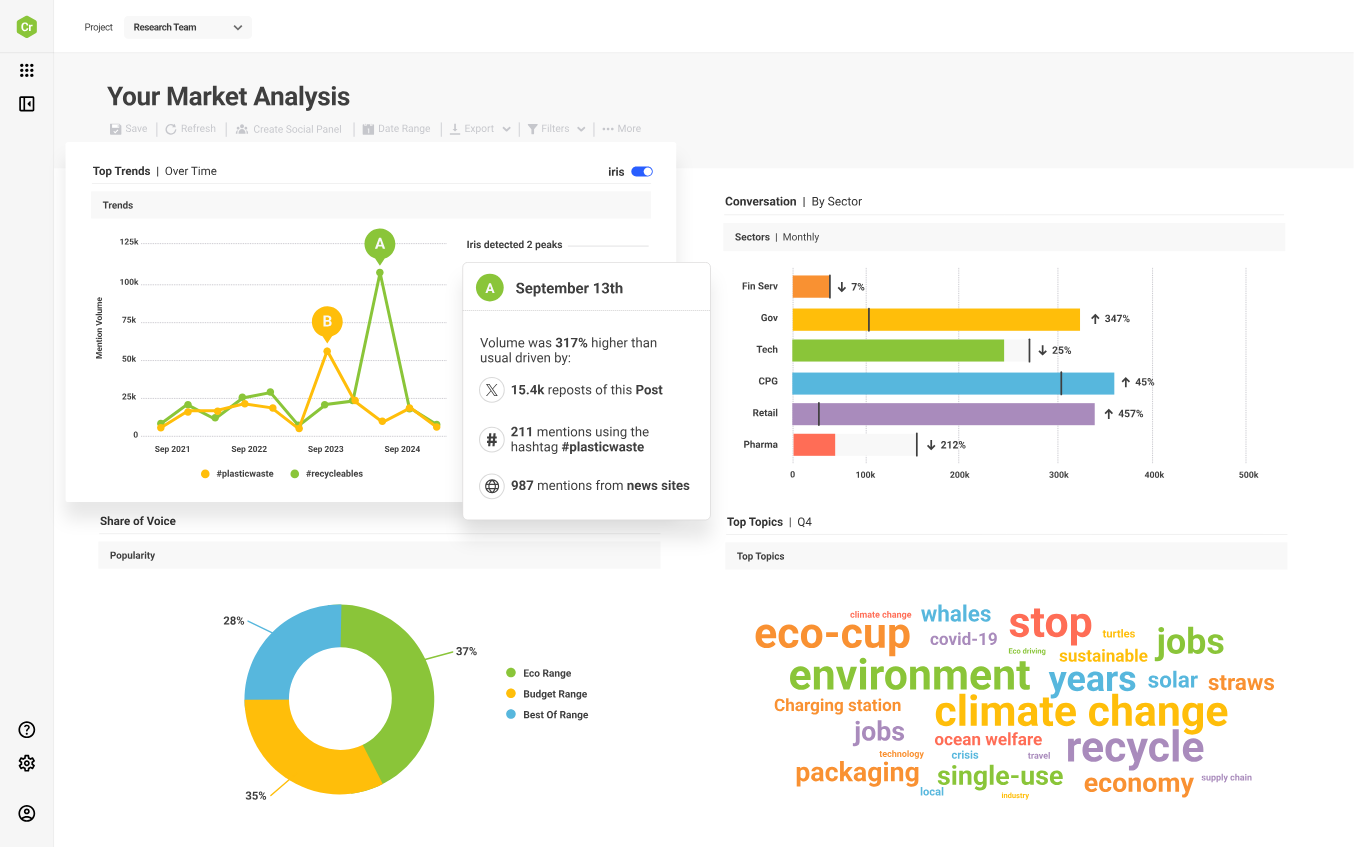
Brandwatch approaches customer intelligence through public consumer conversations. Its Consumer Intelligence platform analyzes data from social networks, websites, forums, and other online sources to help teams understand sentiment, brand perception, emerging trends, and broader consumer behavior.
It is particularly useful when the goal is to understand what people are saying outside your own CRM, support, or product systems.
Best for
Marketing, brand, research, and communications teams that need intelligence from public consumer conversations.
What it does well
- Social listening: Brandwatch monitors conversations across major social networks and millions of online sources.
- Consumer research: Teams can analyze large volumes of public conversation to understand opinions, needs, and market trends.
- Brand monitoring: It tracks mentions, sentiment, and changes in brand perception over time.
- Audience segmentation: Conversations and audiences can be grouped by attributes, topics, demographics, and custom machine learning classifiers.
- Trend detection: Brandwatch can surface emerging topics and shifts in consumer conversation in real time.
- Competitor intelligence: Teams can track competitor mentions and compare how brands are being discussed across the market.
- AI-powered analysis: Iris, Brandwatch's generative AI assistant, helps turn large datasets into readable insights, while AI-powered search makes it easier to find relevant conversations.
- Image analysis and alerts: Brandwatch can detect logos and objects in images and automatically alert teams when important conversation or sentiment changes occur.
Limitations and considerations
- Brandwatch is strongest for public consumer and market intelligence rather than private account-level customer data.
- It is less suited to B2B post-sales use cases such as renewal risk, account health, or stakeholder relationship intelligence.
- It is primarily positioned as an enterprise platform, and pricing is not publicly listed.
Pricing
Brandwatch offers standard through enterprise plans, but does not publish fixed prices for its Consumer Intelligence product. Teams need to request a demo or quote based on their requirements.
6. Amplitude
Overview
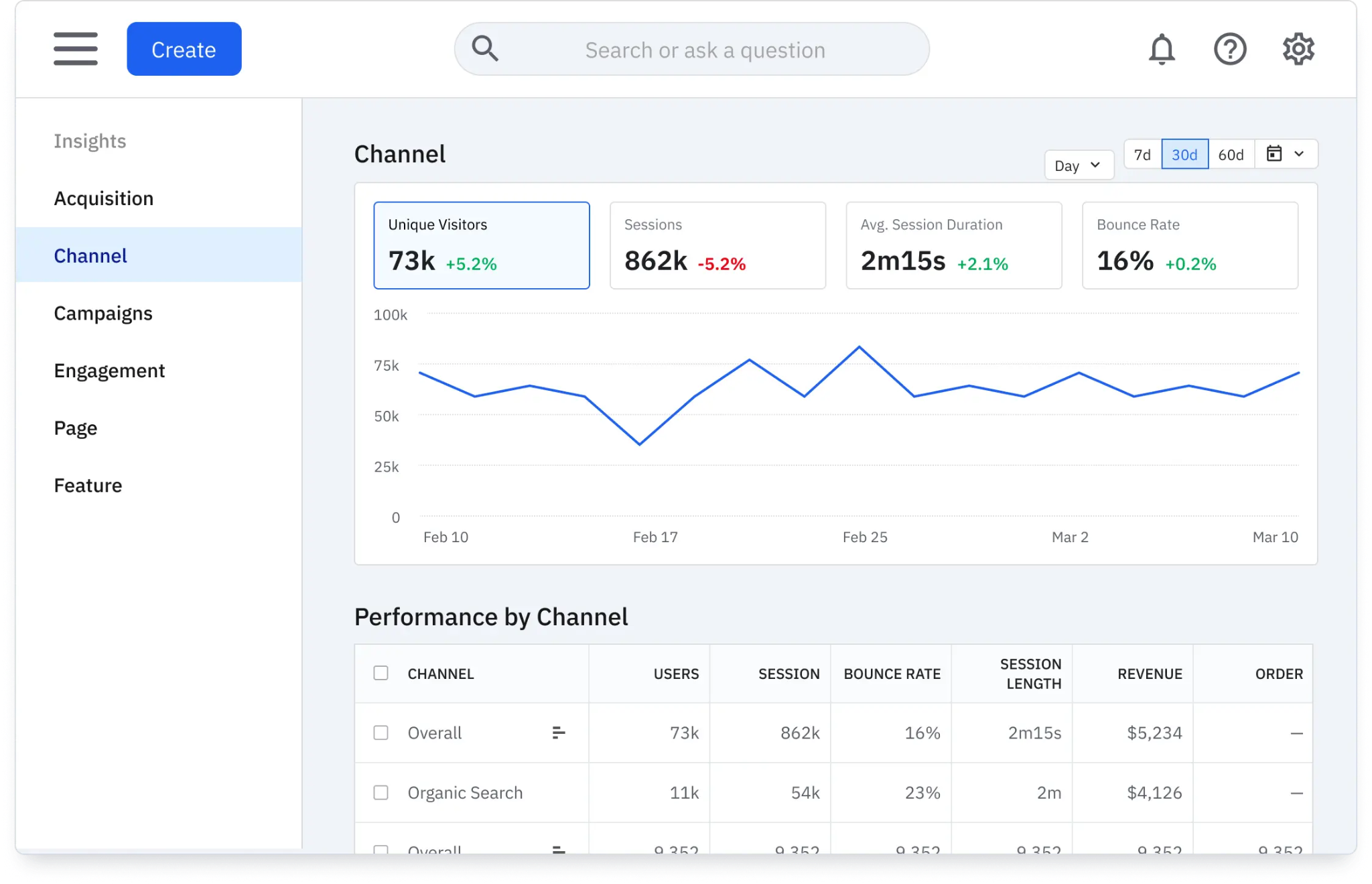
Amplitude is an AI-powered digital analytics platform built around customer behavior inside websites and products. It tracks events such as clicks, purchases, feature usage, and sign-ups, then turns that activity into insights about engagement, conversion, retention, and revenue.
Its broader platform now combines product analytics with experimentation, session replay, surveys, activation, and AI-assisted analysis, giving teams more ways to understand both what users do and why certain behaviors matter.
Best for
Product, growth, and data teams at digital businesses that want deep behavioral intelligence.
What it does well
- Behavioral analytics: Tracks and analyzes how users interact with digital products in real time.
- Funnels and conversion: Teams can see where users drop out of key journeys and which behaviors are associated with stronger conversion.
- Cohort and retention analysis: Amplitude can group users by behavior and compare how different cohorts engage or retain over time.
- Feature adoption: Teams can monitor which features customers use and how engagement changes over time.
- Customer journeys: Behavioral data can be used to understand the sequence of actions customers take across onboarding, engagement, and retention.
- Experimentation: Amplitude includes experimentation tools for testing product changes against real customer behavior.
- Session replay: Teams can combine quantitative analytics with recordings of individual user sessions to investigate friction in more detail.
- AI-assisted analysis: Amplitude AI can answer product questions, surface patterns, and identify changes in behavioral data without requiring teams to build every analysis manually.
Limitations and considerations
- Amplitude is strongest at explaining what customers do inside digital experiences. Teams looking primarily for sentiment, relationship context, or broader Voice of the Customer intelligence will need other sources alongside it.
- Reliable insights depend on clean event tracking and a well-structured data model, so instrumentation still matters.
- Some advanced analytics, governance, and enterprise capabilities require Growth or Enterprise plans.
Pricing
Amplitude offers a Free plan with up to 2 million events per month and unlimited seats. Its Plus plan also starts at $0 for the first 2 million monthly events and scales with usage. Growth and Enterprise use custom, event-based pricing.
7. Contentsquare
Overview
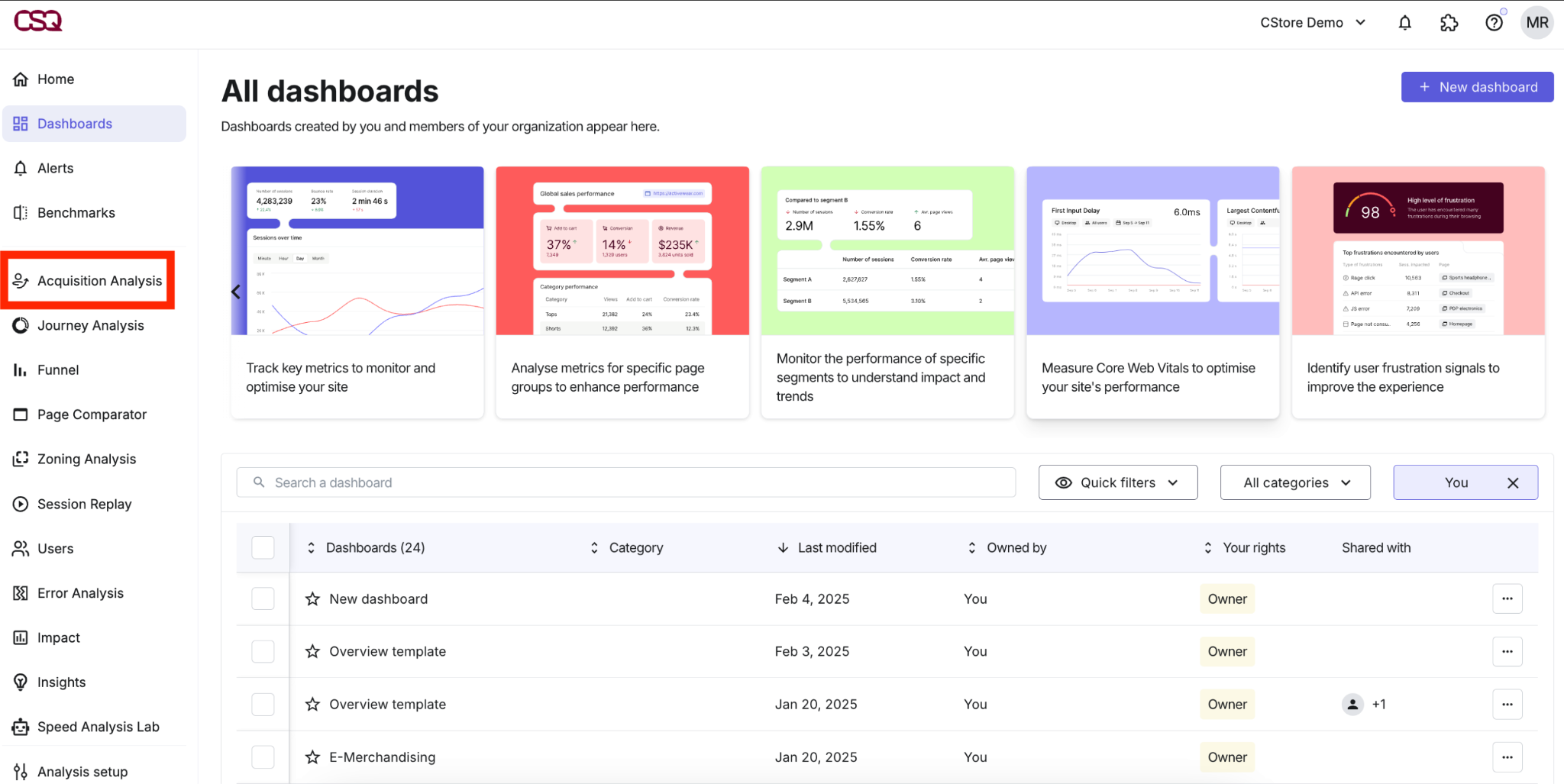
Contentsquare is a digital experience intelligence platform that helps teams understand how customers move through websites and products. It combines journey analysis, heatmaps, session replay, product analytics, Voice of the Customer, and AI-assisted analysis in one platform.
Its strength is showing where customers experience friction and helping teams connect that behavior to conversion, engagement, retention, and satisfaction.
Best for
Digital, ecommerce, product, and Customer Experience teams that want to understand where customers encounter friction across digital journeys.
What it does well
- Journey analysis: Shows how customers move through websites and apps, including where they drop off or take unexpected paths.
- Heatmaps: Helps teams see where users click, tap, hover, and engage with individual pages.
- Session replay: Lets teams watch individual customer journeys to investigate friction in more detail.
- Product analytics: Tracks behavior across sessions so teams can analyze retention, feature adoption, and customer journeys over time.
- Voice of the Customer: Surveys and feedback widgets can be connected with behavioral data to show what customers say alongside what they actually do.
- Friction detection: Error monitoring and behavioral analytics help teams identify technical and experience issues that may be affecting customers.
- Sense AI: Contentsquare's AI tools can summarize behavior, answer questions about customer data, and suggest next steps.
- Impact quantification: Teams can estimate how particular behaviors, issues, or customer segments affect conversion so they can prioritize improvements.
Limitations and considerations
- Contentsquare is primarily focused on digital experience, so it is less suited to understanding broader customer relationships outside websites and products.
- It is not designed for complex B2B account intelligence such as stakeholder relationships, renewal risk, or commercial context.
- More advanced journey analysis, AI, and enterprise capabilities sit on higher-tier plans.
Pricing
Contentsquare offers a Free plan for Experience Analytics with up to 200,000 monthly sessions. The Growth plan starts at $49 per month, while Pro and Enterprise use custom pricing.
Voice of the Customer also has a free tier, while its Growth plan starts at $99 per month. Product Analytics pricing varies by plan and usage, with higher tiers requiring a quote.
8. Salesforce Data 360
Overview
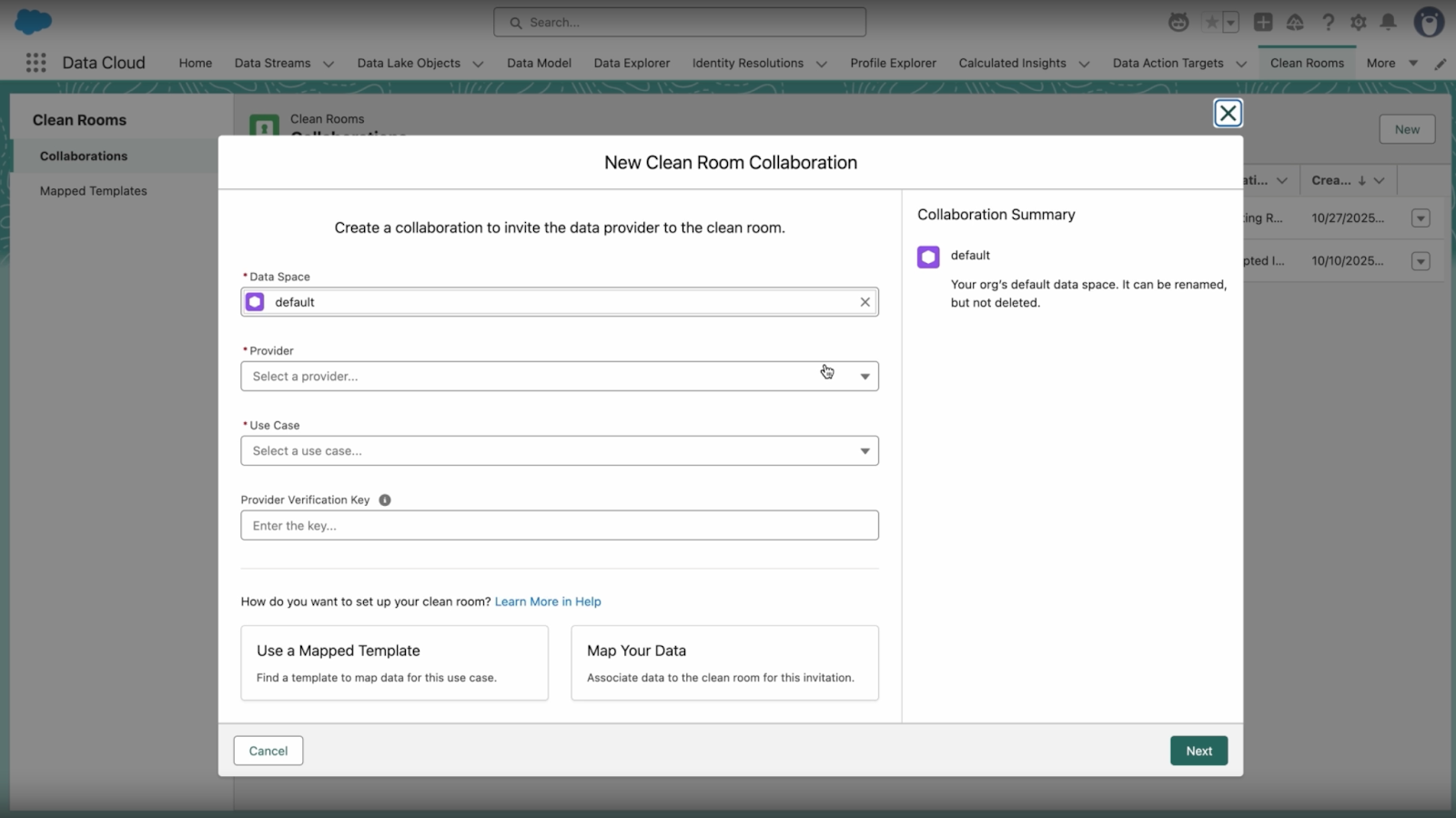
Salesforce Data 360 is a customer data platform that brings information from Salesforce and external systems together into unified customer profiles. Formerly known as Data Cloud, it uses identity resolution to link records across sources without overwriting the underlying data.
Those profiles can then support segmentation, analytics, personalization, service workflows, and Agentforce, making Data 360 especially useful for organizations that want customer data to power the wider Salesforce ecosystem.
Best for
Large organizations already operating heavily within Salesforce that need a unified customer data layer.
What it does well
- Customer data unification: Data 360 brings information from multiple systems into a common data model so teams can work from a broader customer view.
- Identity resolution: Matching and reconciliation rules link records belonging to the same person or account into unified profiles.
- Unified profiles: Profiles update as source data changes and can combine identifiers from different systems without replacing the original records.
- Real-time data: Real-time profile unification can match active customers to existing profiles within milliseconds for personalization and service use cases.
- Audience segmentation: Unified data can be used to build segments for marketing, service, and other customer workflows.
- Agentforce context: Data 360 can give AI agents access to unified customer context, including information stored outside Salesforce.
- Zero-copy connections: Organizations can access data stored in external platforms without duplicating or moving it into Salesforce first.
- Data activation: Customer profiles and segments can be activated across Salesforce and downstream destinations to support more personalized interactions.
Limitations and considerations
- Data 360 is primarily a customer data and activation layer rather than an out-of-the-box customer intelligence tool focused on ready-made insights.
- Identity resolution and data modeling require careful setup, so implementation can be more involved than with lighter analytics platforms.
- Its strongest value comes when an organization is already deeply invested in Salesforce and wants customer data to feed Salesforce workflows, analytics, and AI.
Pricing
Salesforce offers both credit-based and profile-based pricing.
Flex Credits start at $500 per 100,000 credits. Profile-based pricing starts at $240 per 1,000 profiles per year, while Enterprise Profiles cost $420 per 1,000 profiles per year. Additional usage for areas such as querying, unstructured data processing, real-time pipelines, and zero-copy sharing can still consume Flex Credits.
9. SAS Customer Intelligence 360
Overview
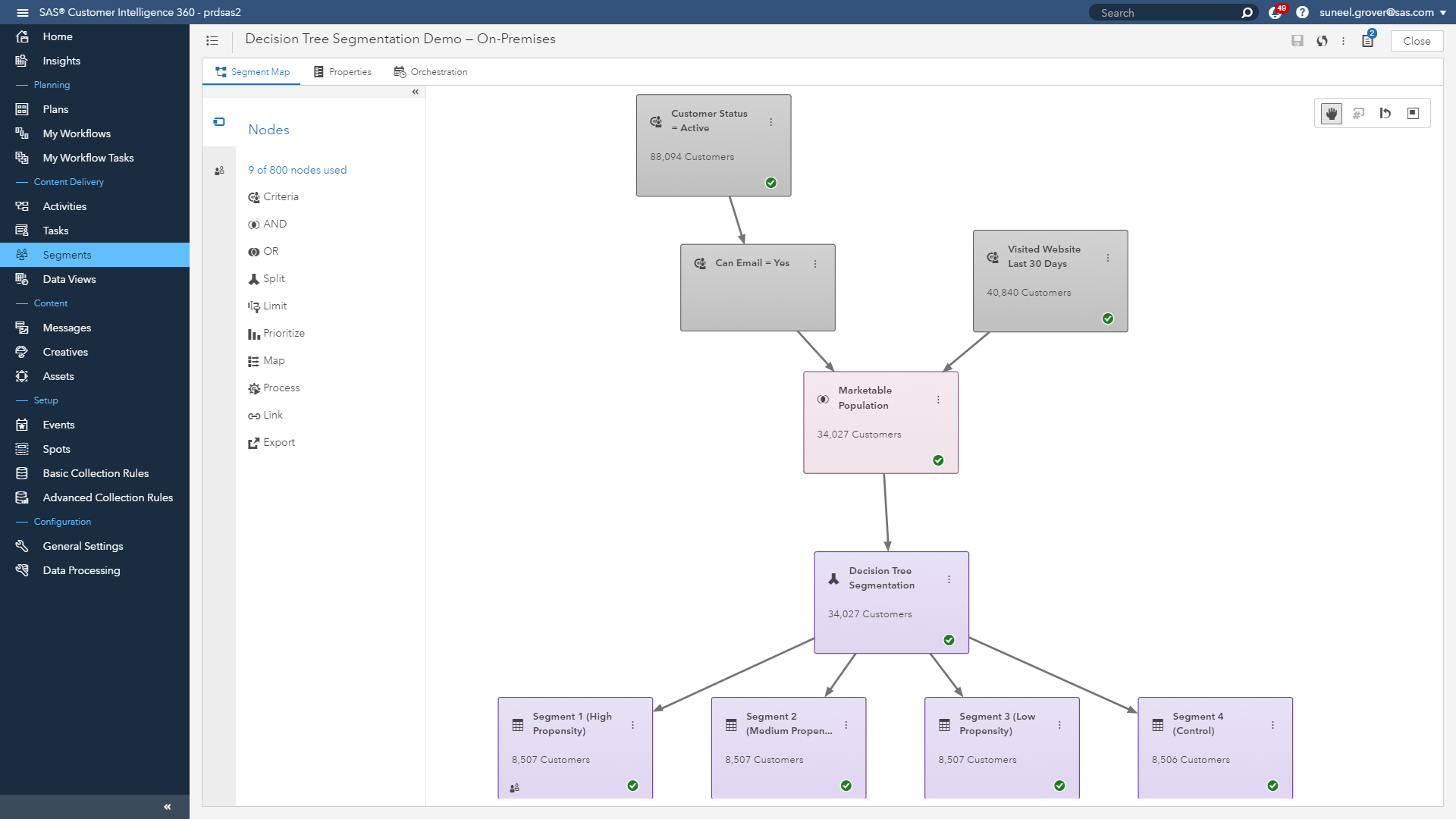
SAS Customer Intelligence 360 is an enterprise customer engagement platform that connects customer data, analytics, decisioning, and journey orchestration. It helps marketing teams build audiences, understand behavior, personalize interactions, and coordinate customer journeys across channels.
SAS is also expanding the platform with specialized AI agents for audience creation, journey management, decisioning, and execution.
Best for
Large marketing organizations that want customer intelligence connected directly to journey orchestration and personalization.
What it does well
- Customer data and profiles: Its embedded Customer Data Platform unifies known and anonymous customer data into profiles that can be used for targeting and activation.
- Audience creation: Teams can build audiences using customer attributes, behavior, purchase history, and other data from multiple sources.
- Segmentation: Advanced segmentation tools let marketers create highly specific audiences for acquisition, retention, loyalty, and other use cases.
- Behavioral intelligence: SAS can combine online and offline behavioral data to help teams understand customer activity and improve targeting.
- Journey orchestration: Teams can design multistep journeys across email, mobile, web, CRM, social, and other channels using scheduled or real-time triggers.
- Decisioning and personalization: Real-time customer context can be used to choose relevant offers, content, and next actions.
- AI agents: Specialized agents can help marketers build audiences and customer journeys from natural-language instructions, while the SAS 360 Agent coordinates activity across different agents.
- Omnichannel activation: Audiences and decisions can be activated across both owned and third-party channels from the same platform.
Limitations and considerations
- SAS Customer Intelligence 360 is primarily designed for marketing and customer engagement rather than broader post-sales account intelligence.
- Its breadth and enterprise focus can make implementation and administration more involved than with simpler analytics tools.
- Smaller teams with straightforward customer intelligence needs may not require its advanced decisioning and journey orchestration capabilities.
Pricing
SAS does not publish standard pricing for Customer Intelligence 360. Pricing is custom and depends on the capabilities, usage, and scale required by each organization.
10. Gainsight
Overview
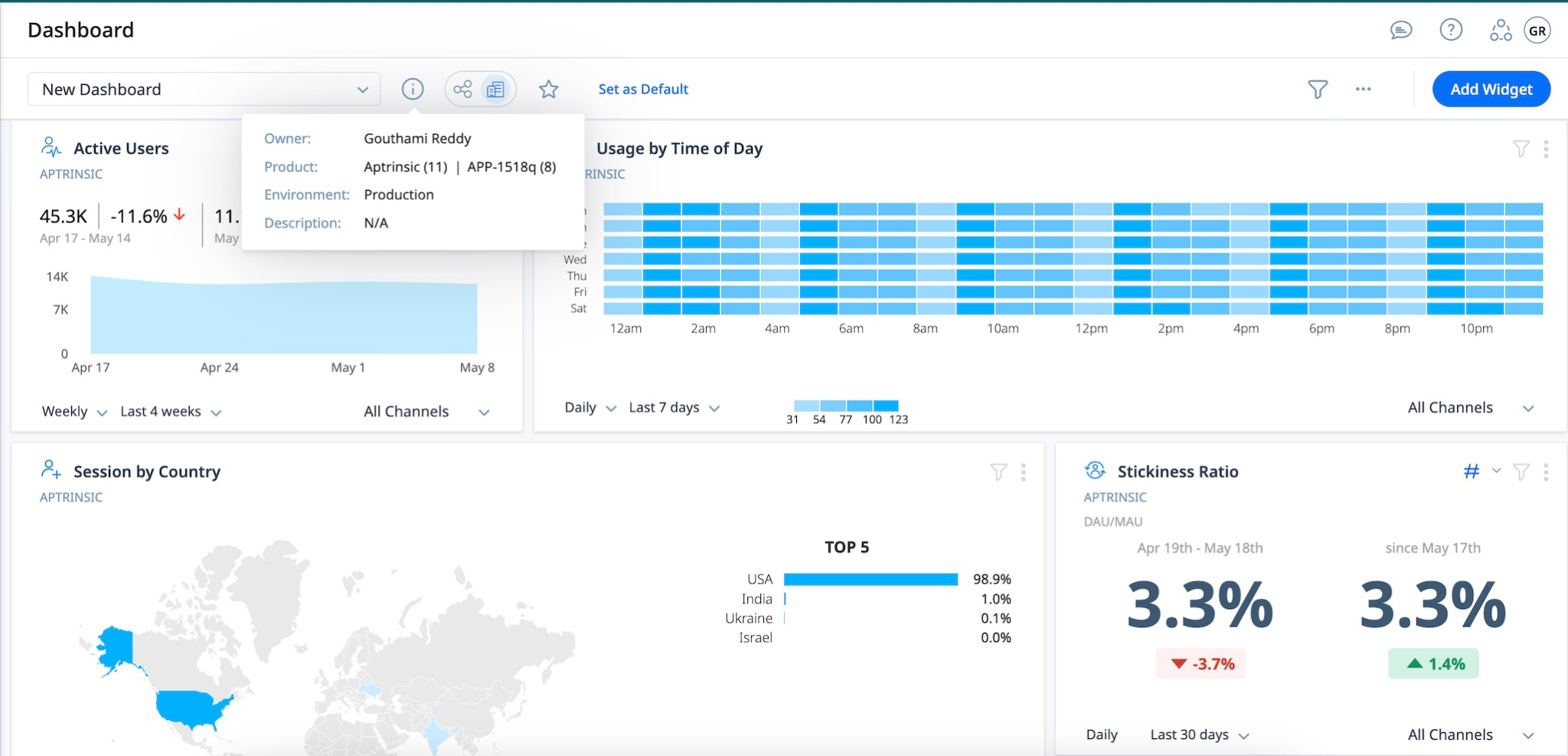
Gainsight is an enterprise Customer Success platform that brings together customer health, product usage, renewal data, stakeholder relationships, feedback, and AI-generated signals. Its Customer 360 view is designed to give teams a single place to understand account status and decide where to focus.
Its Staircase AI product adds another layer of customer intelligence by analyzing emails, calls, support interactions, and other conversations to surface risk, sentiment, engagement changes, and expansion signals.
Best for
Enterprise B2B Customer Success teams that want customer intelligence connected to established retention, renewal, and expansion processes.
What it does well
- Customer 360: Brings account data, customer activity, health, and other signals into a unified customer view.
- Health scorecards: Teams can combine different customer signals into configurable health scores that help prioritize accounts.
- Renewal and expansion forecasting: Gainsight includes forecasting tools for tracking commercial risk and growth opportunities across the customer base.
- Relationship intelligence: Organizational mapping and sponsor tracking help teams understand important stakeholders and relationship coverage.
- Sentiment and risk detection: Staircase AI analyzes customer conversations for changes in sentiment, engagement, and churn risk.
- Expansion signals: Staircase can surface buying signals such as budget discussions and new sponsorship from customer conversations.
- Playbooks and success plans: Customer insights can be connected directly to structured Customer Success workflows and next actions.
- AI and agentic workflows: Gainsight supports AI-powered insights and automation, while its newer Model Context Protocol support allows external AI agents to use Gainsight customer intelligence for retention workflows.
Limitations and considerations
- Gainsight is primarily designed around B2B Customer Success rather than broader consumer or market intelligence.
- Its breadth of workflows, reporting, configuration, and customer data requirements can make it more involved to implement than lighter intelligence tools.
- The platform is particularly oriented toward established Customer Success organizations, although its Essentials package is also positioned toward growing teams.
Pricing
Gainsight does not publish fixed prices for its Customer Success product. It offers Essentials and Enterprise packages, both on a custom-quote basis.
Essentials includes 10 full users and up to 100 customers per user, while Enterprise includes 20 full users and up to 200 customers per user. Both include unlimited viewer licenses and core capabilities such as Customer 360, health scorecards, playbooks, dashboards, surveys, and AI-powered insights.
Conclusion
There is no single best customer intelligence platform because the category covers very different types of data and decisions.
Chattermill focuses on feedback intelligence, while Qualtrics and Medallia are better suited to enterprise Customer Experience programs. Brandwatch specializes in public consumer intelligence.
Amplitude and Contentsquare focus more on digital behavior and journeys, while Salesforce Data 360 is designed to unify customer data across systems. SAS Customer Intelligence 360 is geared toward marketing journeys, and Gainsight focuses on traditional enterprise Customer Success.
For B2B companies, Velaris takes a more post-sales approach. Velaris is highly rated on G2, demonstrating independent validation from Customer Success professionals using the platform in practice.
If your goal is to turn customer intelligence into more proactive retention and expansion, book a demo to see Velaris in action.
Frequently Asked Questions
What is customer intelligence software?
Customer intelligence software collects and analyzes customer data to produce insights teams can act on.
Depending on the platform, that can include customer behavior, sentiment, product usage, feedback, relationship health, churn risk, and growth opportunities.
What is the difference between customer intelligence and customer analytics?
Customer analytics is mainly focused on measuring and analyzing customer data.
Customer intelligence is broader. It combines quantitative analysis with qualitative context to help teams understand what the data means and decide what to do next.
What is the difference between customer intelligence software and a Customer Data Platform?
A Customer Data Platform primarily collects, unifies, and activates customer data across different systems.
Customer intelligence software focuses more on interpreting that data and surfacing useful insights. The categories increasingly overlap, with some platforms combining data unification, analytics, AI, and activation in the same product.
What data does customer intelligence software use?
Customer intelligence software can use data from CRM systems, transactions, product usage, surveys, support interactions, calls, emails, digital behavior, sentiment analysis, and public conversations.
The exact sources depend on the platform and the type of customer intelligence it is designed to provide.
How does AI improve customer intelligence?
AI can analyze much larger volumes of customer data than teams could realistically review manually.
It can identify themes, detect changes in sentiment or behavior, summarize customer context, surface risks and opportunities, and help teams understand patterns across large customer bases. More advanced platforms can also use AI agents to monitor customers continuously and trigger actions when something important changes.
What is the best customer intelligence software for B2B companies?
There is no single best platform for every B2B company.
Teams should prioritize tools that can connect account-level data with product usage, stakeholder relationships, commercial context, risk, and expansion signals. In this list, Velaris and Gainsight are the two platforms most directly designed around that post-sales Customer Success use case.

The Velaris Team
A (our) team with years of experience in Customer Success have come together to redefine CS with Velaris. One platform, limitless Success.




Velaris is an AI-native Customer Success Platform built for mid-market and enterprise B2B SaaS teams. From customer health scoring and churn prediction to onboarding automation, renewals, and expansion workflows, Velaris helps recurring revenue teams understand account health, reduce churn, and scale customer success with greater visibility and control.